WRITERS WELCOME
  • Home
  • Blog
  • BOOKS
  • VIDEOS

Blogger?  Creative Writer?  Student?

A blog about writing
writers need a nudge, a bit of guidance, and an encouraging word from time to time
subscribe to the writer's blog

Top 10 Reasons to Use the Writing Process Every Day

8/1/2016

 
Use the Writing Process Every Day
The Writing Process is step-by-step guide to make the writing task easy and error-free. Since the Writing Process works for any type of writing—short stories, blogs, research papers, essays, letters, or articles, any writer can use it to create more organized, clearer writing.

Every individual has a different take on the Writing Process, which is fine. Some people like to lengthen the editing step to include several sub-steps because it helps them to organize and revise better.

Others like to lengthen the brainstorming step to include several phases of researching like: surveying, academic research, and interviewing. For a blogger, this may be a useful choice so that they create thorough, detailed blogs that engage their readers.

Why would writers want to use the Writing Process on a daily basis?
  1. Brainstorming at the beginning of the Writing Process saves time later on. When writers take time to brainstorm a thorough, detailed list of ideas, questions, and research before attempting any writing, the rest of the process is smoother and faster.
  2. Readers expect writers to back up their information with facts. This is true even with short stories and novels; there is nothing like a misrepresentation of how something works to upset a reader. Writers who do a better job in the researching step will create more accurate writing, and that will result in a happier reader.
  3. Drafting is where the writing comes into focus. When you move from the plan into the draft, try to use some organization when getting down the words. Sure, you can sit at the computer and throw words on the page until you are completely spent, or you can write your ideas into paragraphs. Just that small amount of organization can save a lot of time and headache later on.
  4. Everyone who works around computers has made the embarrassing mistake and sent an email before checking for errors. We have all done it, and we have all regretted it. Taking the time to edit and revise every draft, even a little inner-office email, can make a big impression later on.

Picture
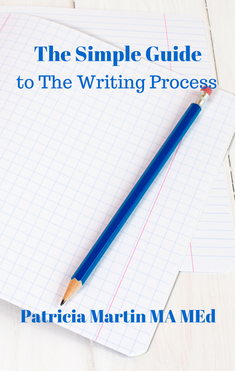
Buy your copy of The Simple Guide to the Writing Process and organize your writing.
Picture
Are you tired of writing taking too much time and energy? Do you feel lost and confused when it is time to write? Are you looking for a way to organize your writing and improve your presentation? Then the From Brainstorming to Publishing course is for you.
5. At work and in the classroom, it is a good sign if you are able to accept constructive criticism about your rough draft. After all, the very purpose of having a rough draft is an initial step to finding improvements. Ask a colleague to check your rough draft to avoid any misinformation in your report or any form of written communication.

6. Planning out on what topic to write is normally a challenge for students. It is important to plan out the content of your paper to make it cohesive. The teacher will always give credit to a well-planned out essay.

7. No one can claim that he is a perfect writer. There will always be people around you who will criticize and find errors in your work. So, might as well take the initiative to edit and revise your written work. Professional writers normally ask an editor to do this. Students can ask their parents or teachers to edit and revise their homework.

8. When you follow the writing process, to edit and revise, would mean looking at the simplest detail such as: punctuation mark, grammar, and spelling. Before looking at the bigger picture, make it a habit to edit and revise the simplest detail.

9. The quality of your writing is reflected on your presentation. A good and neat presentation of written work is a reflection of your personality. Start with a good impression by making an excellent presentation of your written work.

10. If you are aiming to have your work published, presentation of the final draft should reflect that your work is worthy to be read by many. That means taking the time to conduct multiple versions of editing and revising. Read the piece aloud. Have someone else read it. Check it over and over to ensure that all the kinks are worked out.

​
​The Writing Process can help every aspect of your writing—organization, clarity, flow, style, and professionalism. If you can take the time to follow these simple steps—Brainstorming, Planning, Drafting, Editing & Revising, and Presenting—you will find that your writing naturally improves.

Related Blog Posts 

Writing Goals
The Writing Process
The Writing Process Course

Comments are closed.

    About the Site

    Welcome, Writers!  
    ​ODI seeks to provide emerging writers with useful resources to get your writing moving forward.  

    Archives

    September 2023
    August 2023
    March 2023
    January 2023
    December 2022
    October 2022
    May 2022
    April 2022
    January 2022
    December 2021
    November 2021
    May 2021
    March 2021
    February 2021
    January 2021
    June 2020
    May 2020
    April 2020
    March 2020
    February 2020
    December 2019
    November 2019
    October 2019
    September 2019
    July 2019
    June 2019
    March 2019
    February 2019
    January 2019
    December 2018
    November 2018
    October 2018
    September 2018
    August 2018
    May 2018
    April 2018
    March 2018
    February 2018
    January 2018
    December 2017
    November 2017
    October 2017
    July 2017
    June 2017
    May 2017
    April 2017
    March 2017
    February 2017
    January 2017
    December 2016
    November 2016
    October 2016
    September 2016
    August 2016
    July 2016
    June 2016
    May 2016
    February 2016
    January 2016
    August 2015

    RSS Feed

  • Home
  • Blog
  • BOOKS
  • VIDEOS